

Proposed changes to essential funding could spell disaster for Bundaberg Region residents as the Australian Government looks to reduce its involvement in the funding partnership which supports the region’s recovery from natural disasters, including floods.
Bundaberg Regional Council is joining the Local Government Association of Queensland to call on the Australian Government to rethink proposed changes to the way disaster recovery is funded, warning it could leave ratepayers with a bigger bill.
Under the current Disaster Recovery Funding Arrangements (DRFA) the recovery of local communities following a natural disaster is funded by the Australian (75%) and State and Territory (25%) Governments.
The Australian Government has now proposed to reduce its contribution to 50%, asserting that these changes would make disaster funding simpler and faster.
However Mayor Helen Blackburn said this decision had the potential to leave a multi-million-dollar black hole for the Bundaberg Region.
“We’re very concerned that this decision could mean less support for communities when they need it most and more costs for all local councils and their ratepayers,” Mayor Blackburn said.
“The proposed changes disproportionately affect Queensland most, and also New South Wales, where the majority of natural disasters occur.
“The collaborative funding arrangement as it currently stands has served the Bundaberg Region community well and we’re calling on the Federal Government not to leave regional communities behind.
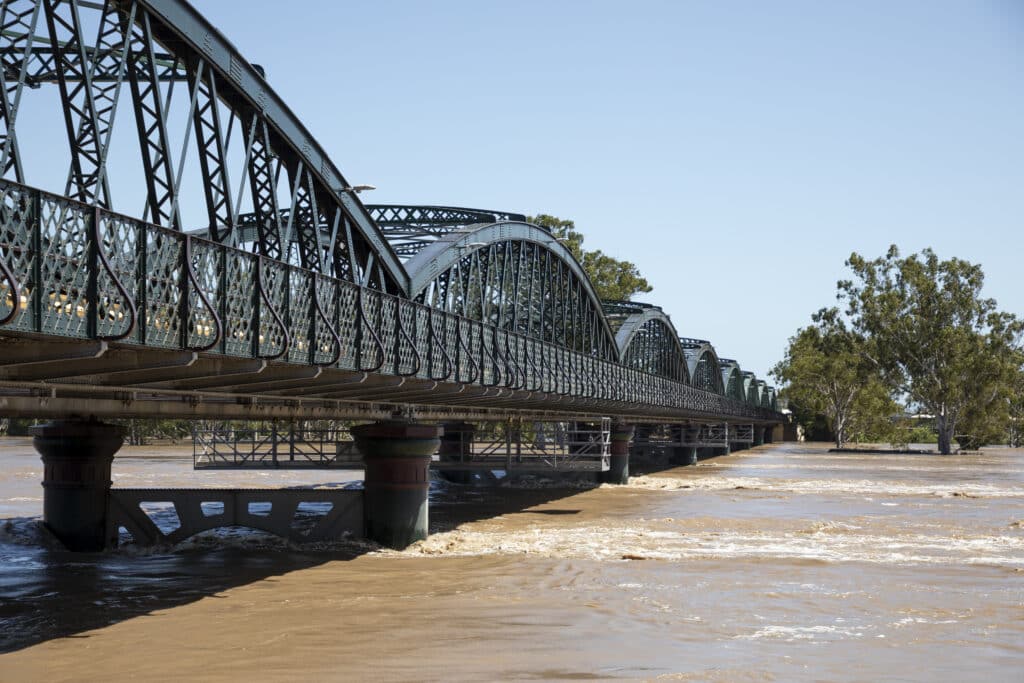
“This announcement has come after a devastating Queensland disaster season which saw major flooding and widespread damage not only in the Bundaberg Region but around much of the State.”
For the Bundaberg Region, which has seen its fair share of disasters, Mayor Blackburn said reliable funding was essential to repairing roads, bridges and other important infrastructure, supporting residents and helping communities recover.
She said a well-established disaster recovery system was already being used through the Queensland Reconstruction Authority (QRA), which helps get funding to local communities.
“It provides strong governance, clear accountability and a trusted partnership with Local and State Governments,” she said.
“It’s the most efficient mechanism for delivering timely Commonwealth financial support on the ground – where it is needed the most.
“Council strongly supports retaining this model because it delivers practical outcomes quickly, including infrastructure restoration, community recovery initiatives and resilience-building projects.”
Mayor Blackburn recently outlined Council’s concerns, particularly the potential impact on local ratepayers, in a letter to the National Emergency Management Agency.
“At a time when construction and infrastructure delivery costs have escalated significantly, reducing or diluting disaster recovery support would shift an increased financial risk onto Councils and our ratepayers,” she said.
“For disaster-prone regions such as Bundaberg, this has the potential to undermine financial sustainability, delay recovery and weaken community resilience.”
Mayor Blackburn said Council was also concerned the impact of the proposed changes could continue long after a disaster had passed.
“The proposed funding model changes would materially reduce the support available for disaster recovery and resilience activities and delay restoration of essential assets, force Councils to absorb greater costs and place additional pressure on communities already struggling from disaster impacts,” she said.
“For regional councils managing multiple recovery projects after a significant disaster event, these impacts would be cumulative and significant as delayed infrastructure restoration, reduced service delivery capacity and fewer resilience improvements would prolong recovery periods and leave communities more exposed to future disasters.”
In particular, Bundaberg Regional Council is calling for:
- Funding to be available when communities face exceptional recovery needs.
- The existing Queensland Reconstruction Authority model to be retained, building on a system that is already working.
- The Australian Government to continue making a strong financial contribution that reflects the frequency and scale of disasters experienced by regional communities.
- Betterment funding to be maintained and strengthened, so damaged infrastructure can be rebuilt to better withstand future disasters.
- Continued investment in disaster prevention and mitigation, helping communities reduce the damage caused by future events.



It seems counter intuitive for the Mayor to protest against recovery funding changes while opposing the single most important flood mitigation project which would alleviate the need for recovery funding in most flood events. It is about time Council gets serious and commits to the East Bundaberg Levee project.
And put North Bundaberg residents in more danger. No to East Bundaberg Levee