


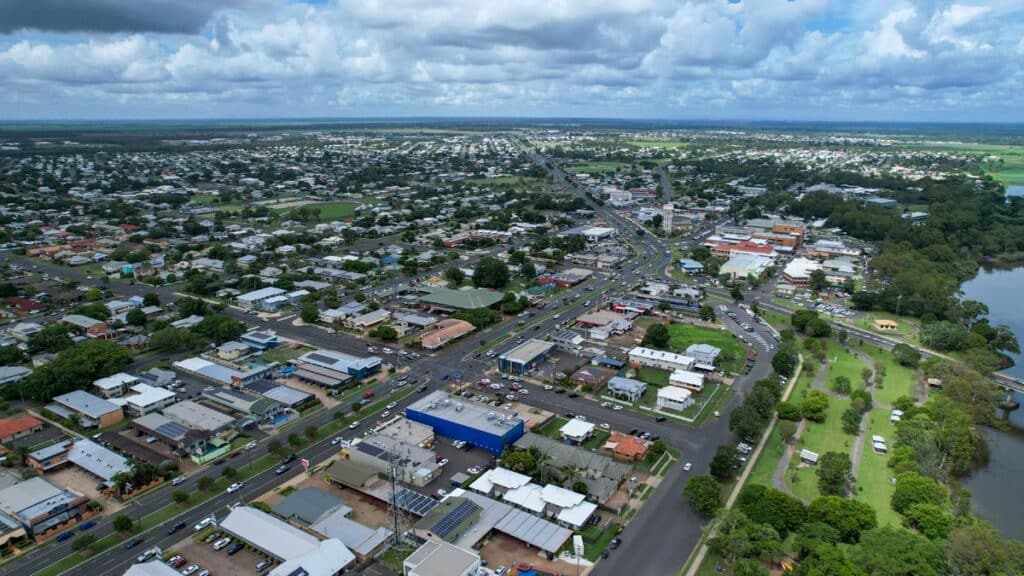
Development incentives are being made available to attract projects which would provide community benefit and support the region’s economy, such as greater housing diversity and hotel investment.
Bundaberg Regional Council’s new Charges Resolution was approved at its 25 November Ordinary meeting, incorporating incentives introduced through the There’s No Place Like Home initiative and firming eligibility for Projects of Regional Significance.
Mayor Helen Blackburn said the changes would provide a reduction in charges for developments that provided significant benefits to the community.
“Providing a reduction in the infrastructure charges payable for certain development types is one of the ways Council can ensure the Bundaberg Region remains an attractive and highly sought after investment location for the types of developments our community needs to continue to sustainably grow and thrive,” Mayor Blackburn said.
“Development incentives have been made available for many years however the focus areas adapt as the needs of our community change.
“Our priorities remain supporting our community by encouraging housing growth and diversity.
“We have seen that policies like There’s No Place Like Home are helping to address the critical shortage of homes across the region.
“By offering discounts for developments that have a higher density and diversity of housing options, we hope to attract developments that offer affordable homes for our community.”
Mayor Blackburn said economic growth in the region through tourism and visitation was also a Council priority.
“Incentives for hotel investment and accommodation for visitors has also been identified, as we know the region’s capacity for growth in the tourism sector requires this support,” Mayor Blackburn said.
UDIA Queensland Bundaberg Branch President Kenny Festing said he appreciated the opportunity for the organisation to give feedback to Council on the proposed changes.
“The Institute acknowledges the complexity of the infrastructure charges framework and that new home buyers cannot bear the full cost of providing infrastructure,” Kenny said.
“New approaches are needed in this area so that development of much needed housing is not stifled by increased costs and becomes unviable to deliver.
“Incentivising denser and more diverse products aims to bring with it a lower price point enabling more consumers to transact and is a welcome addition to the incentives being offered by the Council.”
Changes adopted include:
- Increased discounts for community residences, residential care facilities and community care centres to 100%.
- Increased discounts for tourism accommodation.
- Increased discounts for residential development that offers increased residential density and housing diversity.
- Single charge rate for development in the Bundaberg and Coastal Fully Serviced charge area, with no location discount for development in this area.
- Inclusion of Woodgate within the Bundaberg and Coastal Fully Serviced charge area.
- Reduced infrastructure charge discounts for Childers, Gin Gin and partially serviced areas across the region which will still benefit from an additional level of discounting when compared to the Bundaberg charge areas.
- Continued discounts for housing incorporated into the Charges Resolution to remove the requirement for developers to apply for this incentive and retaining a lapse date for operation of the discount.
- Discount for educational establishments (non-State schools) of 100%.
Council’s fast track housing assessment service implemented under There’s No Place Like Home was retained as a key action of the Bundaberg Local Housing Action Plan.
Discounts for a range of land uses were discontinued, including health care services, transport depots, warehouses, renewable energy and manufacturing industries, which maybe still be eligible for discount under the Projects of Regional Significance incentive program.
Projects of Regional Significance changes
Criteria for Projects of Regional Significance were further detailed to ensure eligible projects provided extraordinary benefit to the region’s economy, community or environment.
Changes include:
- Capping the maximum discount for a single development to the lesser of 75% or $0.5 million.
- Increasing the monetary value of building work to $25 million.
- Removing the reference to a specific number of additional FTE jobs, with the criteria to require a development to provide ‘additional direct local FTE jobs during operation’.
The changes to the infrastructure charges and Projects of Regional Significance will come into effect from 2 January 2026.




In reguards have you also tried advertising this to potential developers & motel operators. It means nothing if they don’t know that these incentives are being increased.