

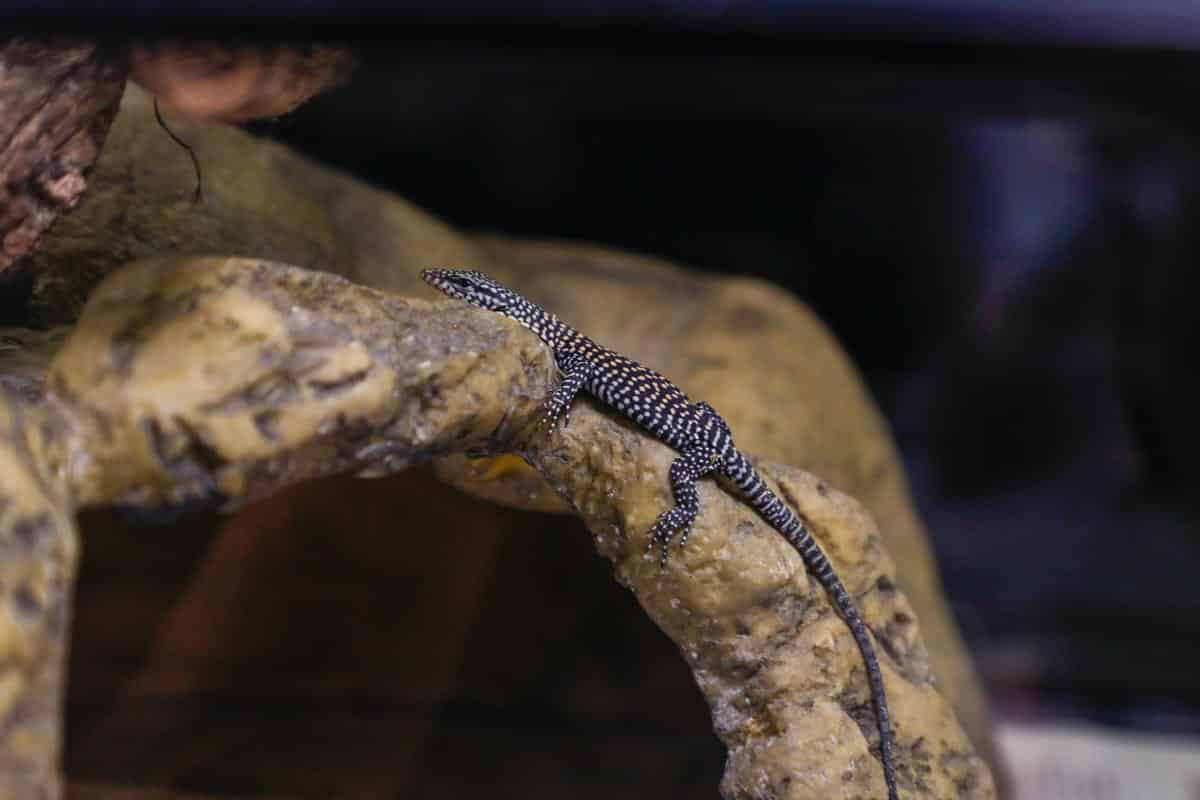
Alexandra Park Zoo is celebrating the exciting arrival of nine Freckled Monitor lizard hatchlings.
The tiny newcomers are the first in a clutch of 12 to hatch so far and the result of a successful first breeding season for the zoo’s young monitor pair.
Freckled Monitors (Varanus tristis orientalis) are a small, fast and highly camouflaged lizard species native to the Bundaberg region.
Adults typically grow to around 65 cm in total length and weigh approximately 150 grams.
Bundaberg Regional Council Natural Resources and Environment portfolio spokesperson Cr Gary Kirk said the successful hatching reflected the dedication of the zoo team.
“This is a fantastic achievement for Alexandra Park Zoo and a wonderful example of the hard work that happens behind the scenes,” he said.
“Moments like this help bring our community closer to the fascinating wildlife that lives in our own backyard.
“We’re incredibly fortunate to have such a dedicated team caring for these animals and a facility like this right here in our region.”
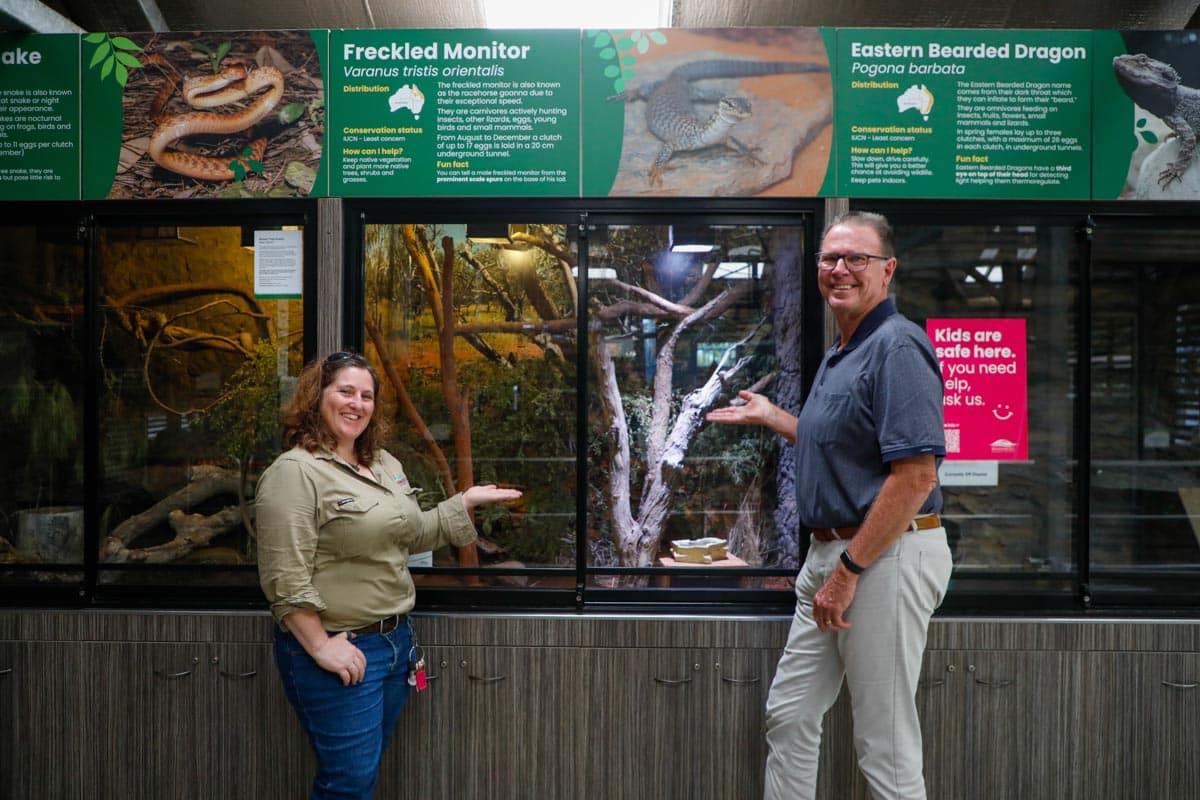
Alexandra Park Zoo Group Supervisor Kate Beskeen explained the careful process behind incubating the eggs.
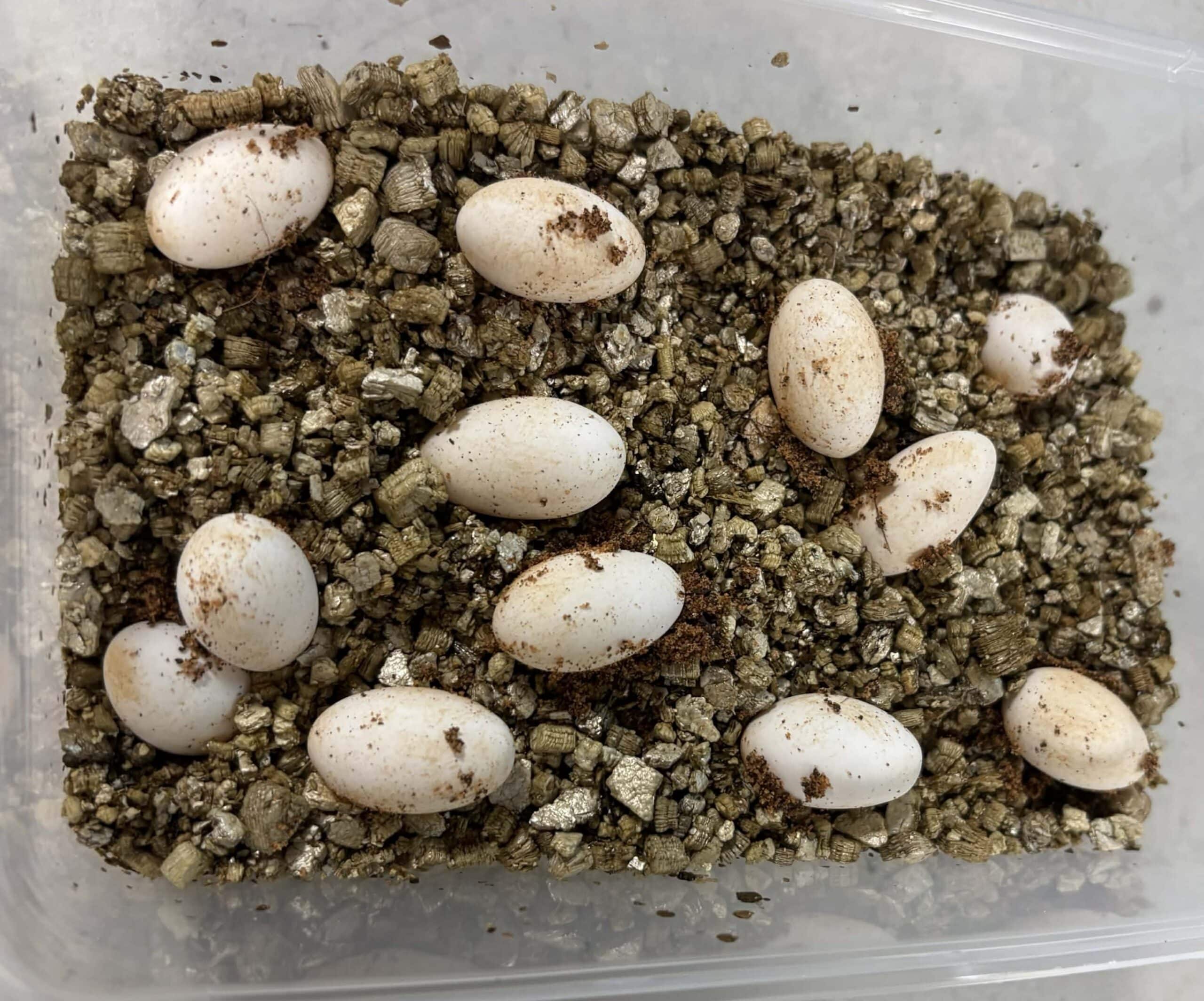
“The clutch of 12 we received fell above the usual range of six to eleven eggs and while survival data for this species is limited, captive hatch rates can be incredibly high – sometimes close to 100 per cent,” Kate said.
“To incubate Freckled Monitor eggs successfully, we need to keep them at a steady 27 to 30 degrees in a moist substrate and unlike bird eggs, reptile eggs shouldn’t be moved once they’re laid.”
Kate said the natural nesting behaviour of the species also shaped the zoo’s approach.
“In the wild, females dig nests about 12 centimetres deep and the eggs stay completely undisturbed until the young hatch and dig their way to the surface,” she said.
“In human care, we have to remove the eggs for incubation because adult monitors – including the father – may pose a risk to them.
“It’s a delicate process but it gives the hatchlings the best chance of survival.”
Kate said the hatching provided a great opportunity to educate the community about this lesser‑known native species.
“Freckled Monitors are a species many people don’t realise live in our region so it’s exciting to be able to share this with the community,” she said.
“They’re incredibly fast which is why they’re sometimes called the racehorse monitor and they’re clever, shy animals that are very difficult to spot in the wild.”
She said the story also served as a timely reminder for residents during reptile nesting season.
“At this time of year people may come across reptile eggs that look similar to monitor eggs and it’s really important to leave them where they are,” she said.
“If nests are moved or interfered with, the young may never get the chance to hatch.”
Cr Kirk said this milestone highlighted the important role Alexandra Park Zoo played in conservation education.
“Being able to educate the community about a species that lives right here in the Bundaberg Region helps our residents understand how to protect native species and that is exactly what our zoo is all about,” he said.