


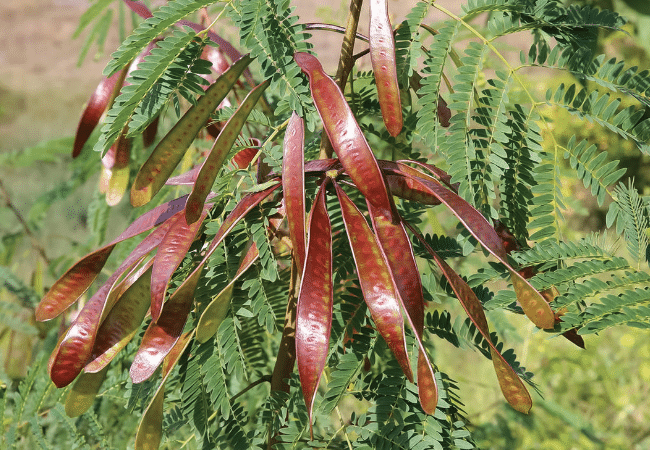
Bundaberg Regional Council is seeking community feedback on the draft Biosecurity Plan and Implementation Plan, now open for public consultation.
Biosecurity is critical to protecting the Bundaberg Region’s agriculture, environment, economy and way of life by managing invasive plants and animals across both public and private land.
As part of the renewal process, Council has elected to prepare two documents to replace the previous single plan, providing clearer strategic direction and stronger on-ground delivery.
Understanding the two plans
The Biosecurity Plan sets Council’s long-term strategic approach to invasive species management.
It establishes the vision, goals and guiding principles for biosecurity across the region and ensures compliance with the Biosecurity Act 2014.
The Implementation Plan supports this strategy by outlining how the Biosecurity Plan will be delivered.
It identifies specific actions, responsibilities, timeframes and measures to track progress.
The Biosecurity Plan explains what needs to be achieved and why, while the Implementation Plan explains how and when it will happen.
Why community input matters
Local knowledge from residents, landholders and industry plays a key role in identifying emerging risks and shaping realistic control actions.
Everyone has a general biosecurity obligation under the Biosecurity Act 2014 and community feedback will help ensure the final plans are practical, targeted and reflective of local priorities.
Residents can also familiarise themselves with Council’s ongoing biosecurity programs and responsibilities.
Have your say
The draft plans, supporting information and frequently asked questions are available online, along with a short survey to provide feedback.
Click here to review the documents and complete the survey.
Public consultation closes Sunday 12 April 2026.



Chinese Elm has devastated most Ironbark trees in Goodnight Scrib.Poisoning the roots only increases this highly invasive tree ‘s ability to reproduce multiple clones. It takes deep digging to remove the roots that if left in soil reproduce0 even more profusrly. Looking for information to erradi ate thrse trees permanently.