


Think biosecurity means border checkpoints, hazmat suits and people checking your luggage? Think again!
This National Biosecurity Week, from 24–30 August, Bundaberg Regional Council is encouraging the community to look a little closer to home.
From an unfamiliar weed popping up in the garden to a pest animal making itself at home, spotting something unusual early can help protect the region’s environment, agriculture, economy and way of life.
Bundaberg Regional Council’s biosecurity activities focus on detecting, managing and preventing invasive species and emerging biosecurity risks before they become established.
Council’s Biosecurity team is currently delivering a range of programs across the region that do exactly that.
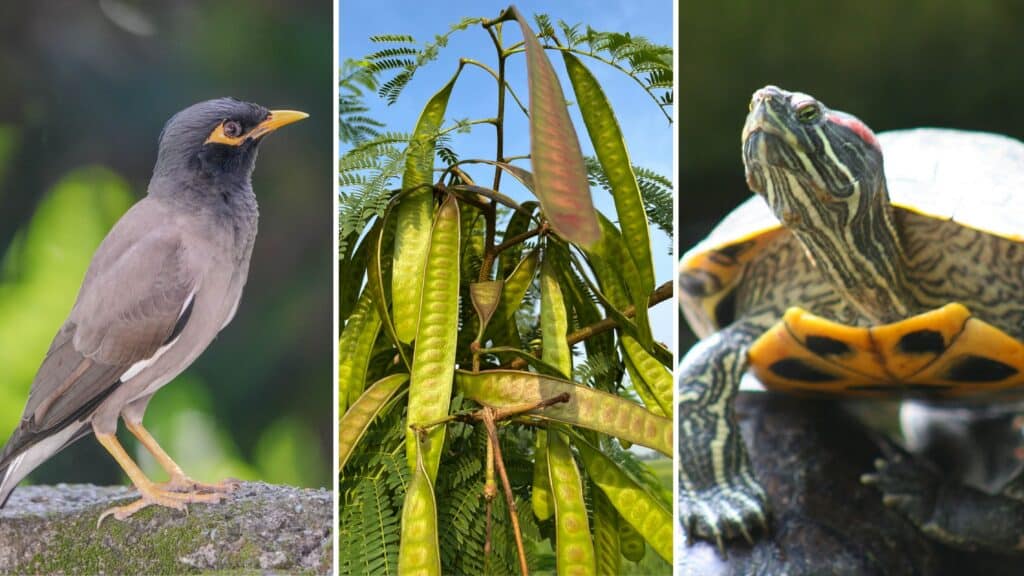
These include the Coastal Fox Den Detection and Control Program, a Parthenium response following the March 2026 flood and surveillance for the prohibited Red Eared Slider Turtle in partnership with Biosecurity Queensland.
The team is also continuing surveillance for non-indigenous exotic acacias, following the detection and destruction of plants in Bundaberg in December 2024.
Mayor Helen Blackburn said biosecurity was a shared responsibility and everyone could play a part in protecting the region.
“Biosecurity isn’t just something that happens at our borders or in a laboratory – it happens right here in our region,” she said.
“Our Biosecurity team works every day to detect, manage and prevent invasive species but the community also has an important role to play.
“National Biosecurity Week is the perfect opportunity to take a closer look at what’s in your own backyard and consider what you can do to help protect our region.”
Mayor Blackburn said the community could get involved by keeping an eye out for pest plants and animals and get in the know about what invasive species to look for.
“Something as simple as identifying a pest plant before it spreads, checking your property for invasive species or making sure you don’t accidentally move pests or weeds can make a real difference,” she said.
“Early detection gives us the best chance of responding quickly and preventing invasive species from becoming established.
“Biosecurity is about protecting the things we all value and that is something we can all contribute to.”
You can help protect our patch by:
- Knowing what to look for: learn to identify pest plants and animals that could threaten our region.
- Checking your backyard: keep an eye out for unusual or invasive plants and animals.
- Stopping the spread: clean your vehicles, equipment and footwear when moving between areas and avoid spreading seeds, soil or pests.
- Taking a photo: if you spot something unusual, take a photo and note where you found it.
- Report it: report suspected invasive species so they can be investigated and managed early.
Find out more about what and how to report here.
More news: