

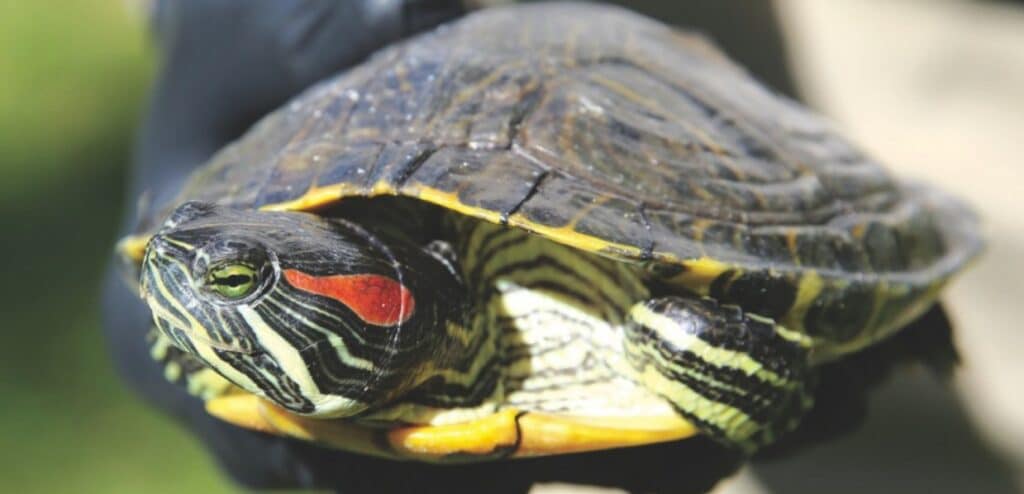
An invasive turtle capable of preying on native wildlife eggs and hatchlings has been detected in the Bundaberg Region.
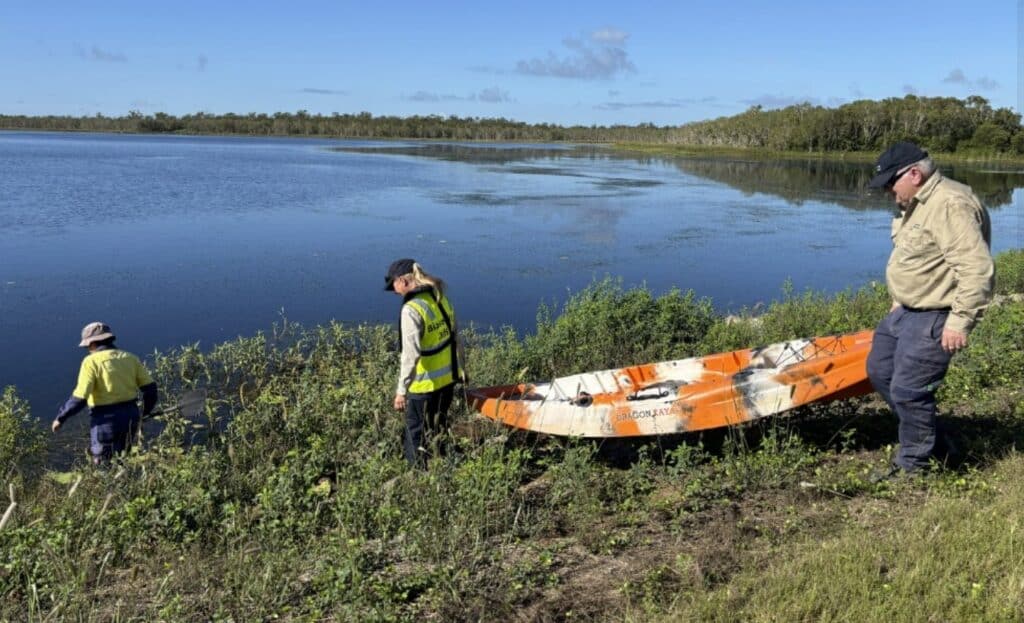
The red-eared slider turtle was reported by a vigilant local resident and safely captured at Meadowvale recently.
Authorities have confirmed the turtle was female and had not yet reproduced, significantly reducing the immediate risk to local ecosystems.
Biosecurity Queensland and Bundaberg Regional Council biosecurity officers are now raising awareness to help prevent the spread of the highly invasive species and protect local waterways and native wildlife.
Council’s Natural Areas and Environment portfolio spokesperson Cr Gary Kirk said the quick actions of the community played a critical role in protecting the environment.
“Thanks to the swift response from a member of the public, this invasive turtle was reported and removed before it had the chance to establish a population,” he said.
“Red-eared slider turtles pose a serious threat to our local ecosystems.
“They prey on eggs and hatchlings, compete with native species for food and habitat and can carry diseases that impact other aquatic wildlife.”
According to authorities, the species is often the result of illegal pet releases.
Cr Kirk said while this detection appeared to be an isolated incident, the area would continue to be monitored.
“This is currently considered a one-off detection, potentially linked to an illegally dumped pet,” he said.
“However, officers will continue monitoring local waterways as a precaution.”
Why is this turtle invasive?
Red-eared slider turtles can:
- Affect a range of aquatic prey, including rare amphibians.
- Take over waterbird nests for basking sites and damage and prey on eggs and hatchlings.
- Outcompete native turtle species for food and space in waterways.
- Carry pathogens and diseases that can kill native turtles and other aquatic wildlife.
How to identify:
Red-eared slider turtles can be identified not only by the distinctive red stripe near their ears but also by their ability to fully retract their heads into their shells – unlike native turtle species.
The species is classified as restricted biosecurity matter under the Biosecurity Act 2014 and is subject to eradication across Queensland.
It is illegal to import, keep or trade these turtles.
Community members who spot unusual wildlife are encouraged to report it immediately by calling 13 25 23 or submitting an online report.
Find out more about the species here.
Check out what other species are invasive to the Bundaberg Region here.
More news: